Beauty Industry Insights
Skin Analysis — A Beautician's Most Important Skill
Why skin analysis is the single most under-trained skill in Indian beauty academies, and the framework a professional beautician uses to read any client's skin in 5 minutes.
Most beauty academies teach 50 facial protocols and zero skin analysis. That’s the wrong way around. Analysis comes first, protocol second.
The 5-minute analysis framework
Step 1 — Visual inspection (90 seconds)
Under a magnifying lamp, look at:
- Pore size — large = likely oily; small = likely dry or normal
- Sebum — visible shine on T-zone? Cheeks too?
- Texture — rough, congested, flaky?
- Tone — even, pigmented, dull, ruddy?
- Lines — fine lines, dynamic wrinkles, ageing depth
Step 2 — Touch test (60 seconds)
- Dry skin feels rough, tight, may have flakes
- Oily skin feels slippery, soft, slightly tacky
- Combination feels different across T-zone vs cheeks
- Sensitive flushes red on light pressure
- Dehydrated feels tight even when oily (water deficiency ≠ oil deficiency)
Step 3 — Client interview (60 seconds)
- Cleansing routine?
- Products currently using?
- Any reactions in the past?
- Sun exposure pattern?
- Hormonal phase (relevant for women in their 20s–40s)?
Step 4 — Diagnosis + plan (60 seconds)
Write down the type + condition + recommended treatment plan before touching a product. This is the discipline that separates trained beauticians from learn-on-the-job ones.
Type vs Condition — the most useful distinction
- Type is your genetic baseline (oily / dry / combination / sensitive / normal)
- Condition is the current state (acne / pigmentation / dehydration / dullness / redness / ageing)
A 30-year-old with oily skin can be dehydrated. A dry-skin client can have acne. Treat the type AND the condition.
What we teach
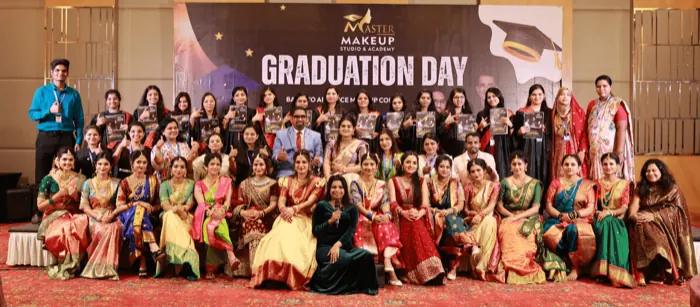
Module 1 of our beautician course is dedicated entirely to skin analysis. Every student practises analysis on 20+ real clients before graduating — building the pattern recognition that no textbook can teach.